
















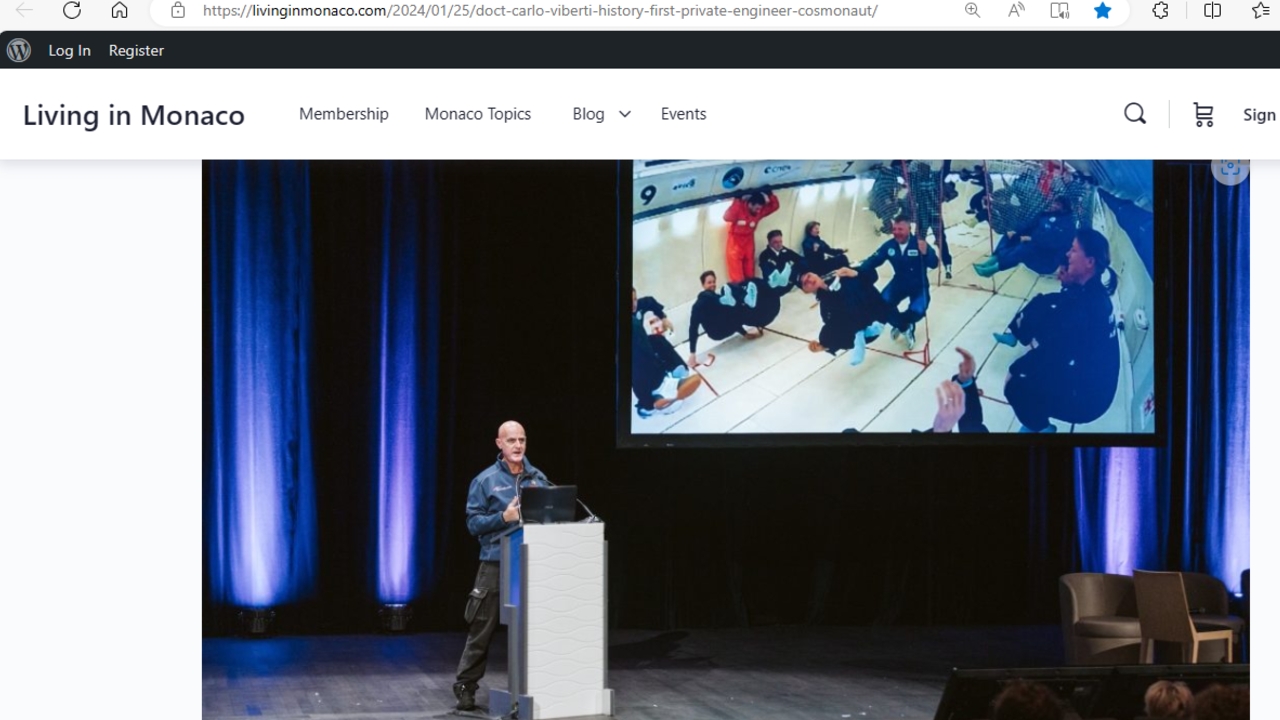
6 marzo 2024L'ultima intervista in Montecarlo, gennaio 2024
Links: [Intervista ed immagini dell'evento]
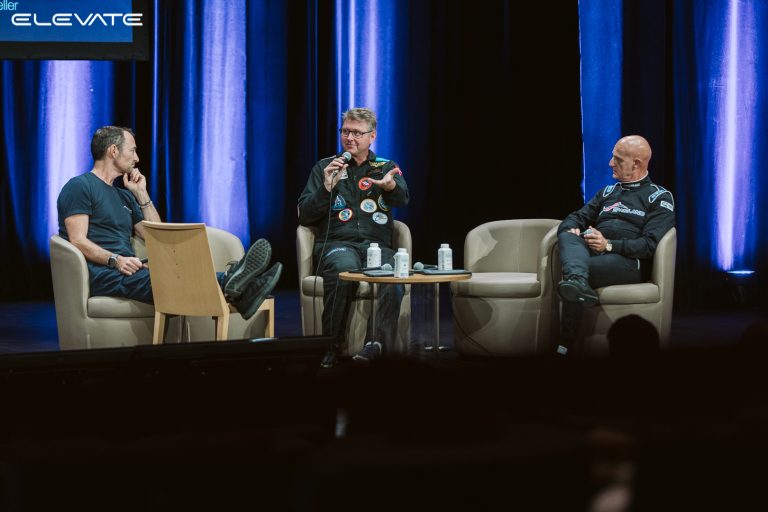
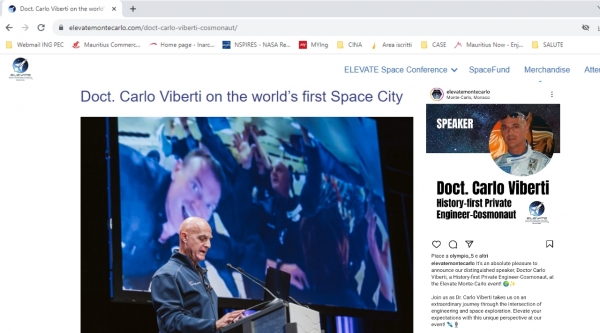
9 ottobre 2023MONTECARLO chiama SpaceLand
Il Principato di Monaco organizza una settimana davvero unica, con presentazioni della rete di Spazioporti SpaceLand nel mondo
Durante gli eventi, giornalisti, scienziati, imprenditori e studenti da tutto il mondo hanno apprezzato i risultati dalle missioni di volo alla NASA coinvolgenti persone comuni di ogni età, precursorie alla costruenda rete di spazioporti pubblici in definizione fra SpaceLand e partners internazionali in Svizzera, Italia ed alle Mauritius
Diventa PROTAGONISTA nella nascente ECONOMIA dello SPAZIO: vola con noi fra meno di 90 giorni nella prossima missione SpaceLand in gravità lunare e marziana dalla NASA !
Scrivici ed entra nel futuro: email a SpaceLand at SpaceLand.it !
Links: [MONTE CARLO - il sito dell'evento] [Uno dei discorsi pubblici] [Intervista di gennaio 2024]
Allegati: Scenario operativo previsto
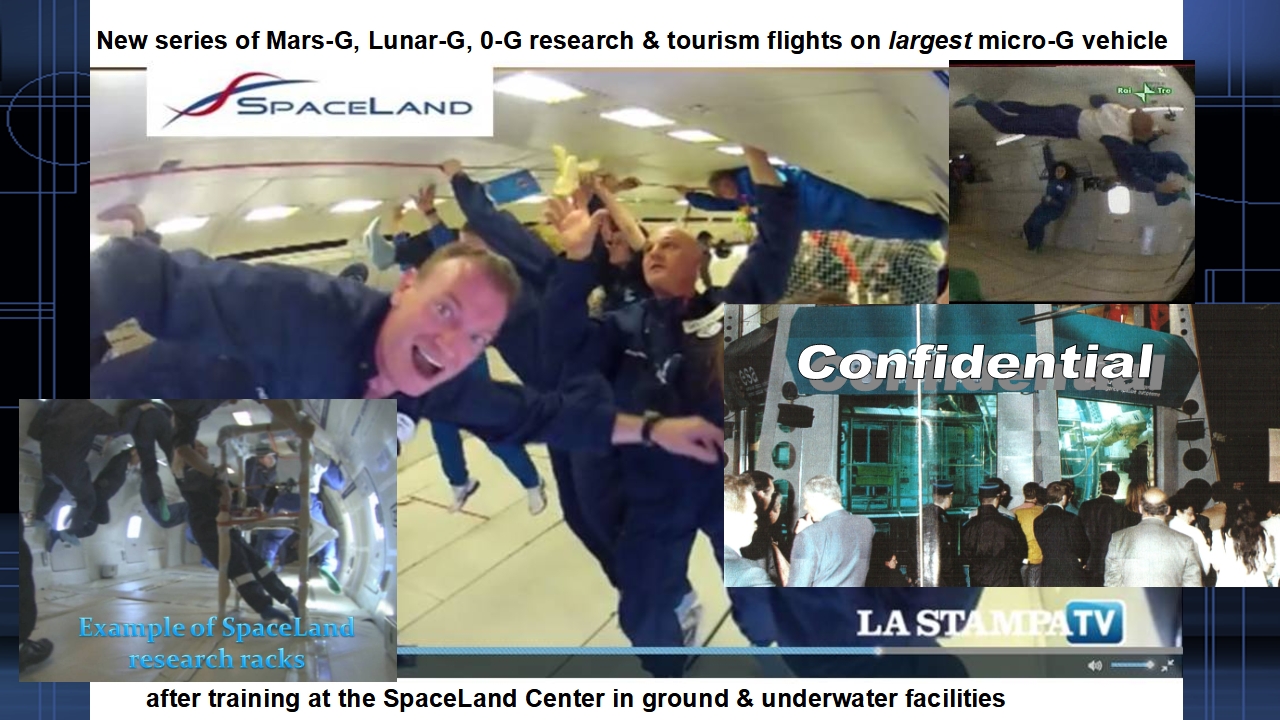
4. Vola come su Luna e Marte ed in zero-G, coi tuoi esperimenti tecno-medico-scientifici
Missioni in gravità lunare e 0G !
Come gli astronauti, al lavoro in gravità lunare, marziana ed in assenza di peso ! Vedi un esempio di addestramenti e voli qui: https://youtu.be/ywHjSqZux2s PARTECIPA ALLA PROSSIMA MISSIONE con ADDESTRAMENTO e DECOLLO dal NASA Kennedy Space Center in FLORIDA, scarica e compila il "form", firma e invialo a SpaceLand @ SpaceLand.it ! https://www.goamerica.it/viaggi/go-world-universe-viaggio-nello-spazio-in-assenza-di-gravita/
In volo per il Premio Nobel
In volo per il Premio Nobel
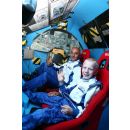
L'undicenne Kim Marco Viberti in G-lunare aiuta gli scienziati del gruppo Nobel Levi-Montalcini a debellare l'Alzheimer
Il bimbo KIM MARCO VIBERTI per il Premio Nobel Levi-Montalcini
Leveraging Microgravity to Unlock the Underlying Causes of Neurodegenerative Diseases: every six minutes, someone is diagnosed with Parkinson’s disease, a progressive neurological disorder that can affect movement. Similar statistics apply to Alzheimer and an estimated 200 people are diagnosed each week with multiple sclerosis, a progressive neurological disease that affects the brain, spinal cord, and optic nerves. To better understand the mechanisms behind these and other neurodegenerative diseases, researchers are leveraging the SpaceLand flying laboratory. The microgravity environment may reveal new insights into how brain cells interact, and results from this research could ultimately lead to improved diagnostics and new therapeutics that would benefit millions of people worldwide. Promising results have been proven during the first flights by SpaceLand with 11 year old Kim Marco Viberti and several laypersons from 18 to 93 years of age, conducted also on behalf of the winner of the Nobel Prize for Medicine Rita Levi Montalcini. Further details by Google-search with key words: "Kim Marco Viberti Nobel Prize microgravity"
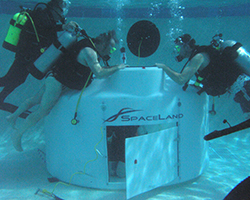
Addestramento e missioni di volo tecno-scientifico od educazionale, per tutti
Addestramento e voli
Le varie fasi dell'addestramento di terra e subacqueo per diventare uno SpaceLander e candidarsi ad astronauta, a scopo tecno-scientifico o di turismo aerospaziale www.advtraining.it/news/81802-go-world-presenta-spaceland-2023-1
Il Centro SpaceLand presentato all'ONU
NAZIONI UNITE - SpaceLand Center
L'Italia rappresentata da SpaceLand
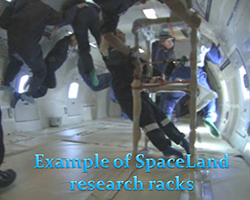
Research & Development
Research & Development
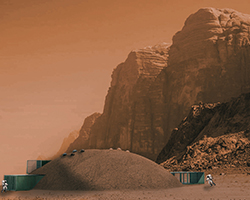
SpaceLand Center
SpaceLand Center

SpaceLand City
SpaceLand City
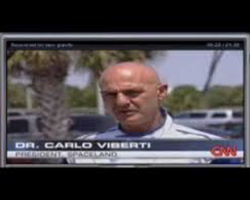
TV & media productions
TV & media productions
Breaking News
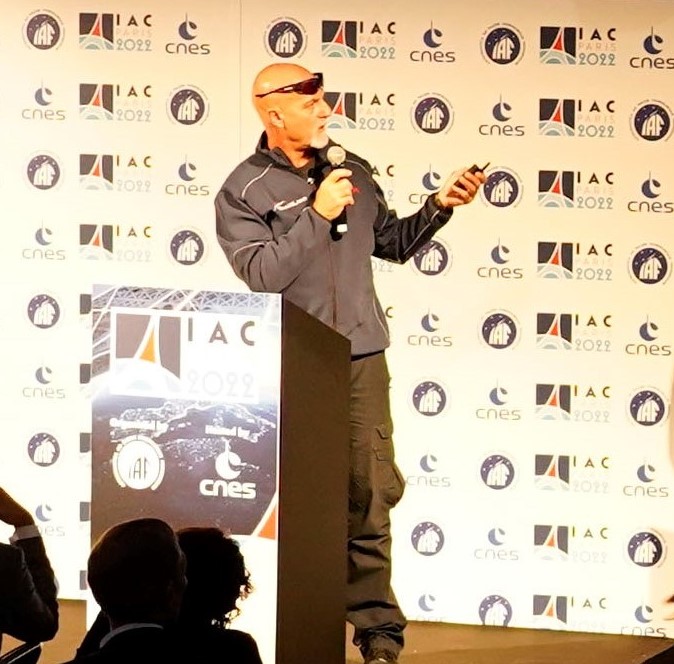
9 ottobre 2023MONTECARLO chiama SpaceLand
Il Principato di Monaco organizza una settimana davvero unica, con presentazioni della rete di Spazioporti SpaceLand nel mondo
Durante gli eventi, giornalisti, scienziati, imprenditori e studenti da tutto il mondo hanno apprezzato i risultati dalle missioni di volo alla NASA coinvolgenti persone comuni di ogni età, precursorie alla costruenda rete di spazioporti pubblici in definizione fra SpaceLand e partners internazionali in Svizzera, Italia ed alle Mauritius
Links: MONTE CARLO - il sito dell'evento Uno dei discorsi pubblici Intervista di gennaio 2024
Allegati: Scenario operativo previsto
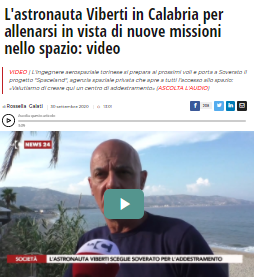
Viberti in Calabria per allenarsi in vista di nuove missioni nello spazio
1 ottobre 2020Veterano voli NASA / ESA Viberti in Calabria per allenarsi in vista di nuove missioni nello spazio
video
Ha scelto Soverato per le sue sessioni di addestramento psico-fisico di terra e subacqueo in vista dei nuovi voli in microgravità, l’ingegnere aerospaziale torinese Carlo Viberti, alla continua ricerca di ambienti che possano simulare le condizioni dettaglio
Links: Veterano voli NASA / ESA Viberti in Calabria per allenarsi in vista di nuove missioni nello spazio
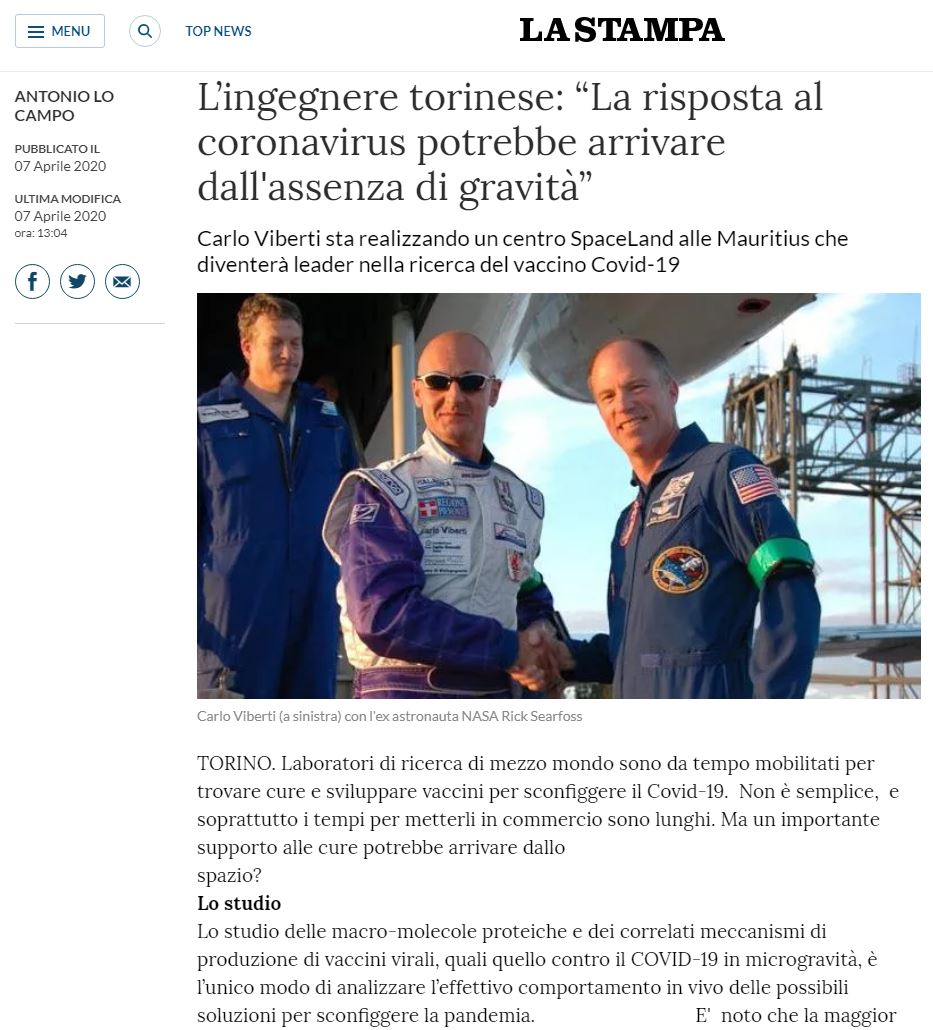
7 aprile 2020L’ingegnere torinese: “La risposta al coronavirus potrebbe arrivare dall'assenza di gravità”
La Stampa
Links: Leggi l'articolo
7 aprile 2020COVID 19
Un vaccino grazie alla microgravità ?
Le altre metodologie in normali ambienti terrestri ovvero con la normale forza di gravità della superficie del pianeta sono le seguenti :
. in vitro, attraverso colture in normali laboratori, dove pe dettaglio
Links: La Stampa 7 aprile 2020
Ultime notizie
“Vi racconto il turismo nello spazio senza la zavorra della forza di gravità”
Il nuovo libro ed il Centro Spaziale in costruzione
Dall'ONU alle Alpi
Grazie all'albergo Belvedere ed a PdF srl, inizia il training al Frais
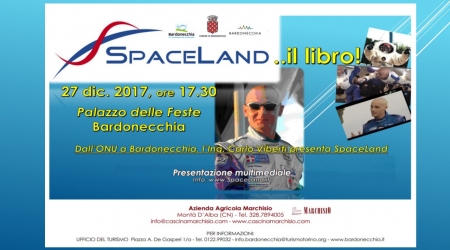
La Presidente della Repubblica presenta SpaceLand
Le caratteristiche del primo Centro SpaceLand presentate dal Capo di Stato all'ONU
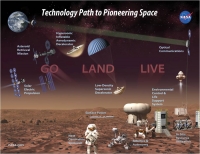
SpaceLand su Marte
Presentazione all'apertura del congresso European Mars Society
Satelliti o razzi abbandonati, attorno alla Terra ruotano 20mila frammenti di detriti.
Oggi non sono un problema ma in futuro potrebbero causare collisioni catastrofiche
Intervista in esclusiva su La Stampa Web TV
Le "IENE" chiedono SPAZIO a SpaceLand
Con Gloria Coco su Raiuno
I nostri obiettivi
Volo Microgravitazionale
il primo equipaggio di ragazzi

Partners e Sponsor

Guiness World Record
Federazione astronautica internazionale
AeSM